
Truck Beds for Reliable Cargo Handling and Heavy-Duty Performance
Truck beds are one of the most defining features of pickup trucks, designed to handle demanding workloads while offering unmatched versatility. Whether used for construction, agriculture, logistics, or recreational hauling, a well-designed truck bed transforms a vehicle into a dependable work partner. Modern truck beds are engineered to balance strength, durability, and usability, allowing drivers to transport heavy loads, irregular cargo, and sensitive equipment with confidence. As pickup trucks continue to evolve, truck beds have become more advanced, adaptable, and purpose-driven than ever before.
Beyond raw hauling capability, truck beds influence safety, efficiency, and long-term vehicle value. The right bed design reduces cargo movement, improves weight distribution, and protects both the truck and its load. Understanding truck bed construction, materials, and configurations is essential for choosing a setup that meets real-world demands without compromise.
The Core Purpose of Truck Beds
The primary function of truck beds is to provide an open, durable cargo area capable of handling heavy and oversized loads. Unlike enclosed cargo spaces, truck beds allow easy loading from multiple angles, accommodating materials such as lumber, machinery, equipment, and bulk goods. This openness is critical for industries and individuals who require flexibility and speed during loading and unloading.
Truck beds also serve as a mounting platform for accessories such as toolboxes, racks, liners, and covers. These additions expand functionality while maintaining the bed’s core strength. A properly designed truck bed supports daily wear, absorbs impact, and resists deformation under load, ensuring consistent performance across demanding tasks.
Truck Bed Materials and Construction
Truck beds are commonly constructed from steel, aluminum, or composite materials, each offering distinct advantages. Steel beds are known for their strength and resistance to punctures, making them ideal for heavy-duty commercial use. However, they are heavier and may require protective coatings to prevent corrosion over time.
Aluminum truck beds provide a lighter alternative without sacrificing strength. Their corrosion resistance makes them suitable for environments exposed to moisture or chemicals. Composite beds, often reinforced with high-strength polymers, offer excellent dent resistance and reduced weight. Choosing the right material depends on workload, environmental conditions, and long-term maintenance considerations.
Standard and Specialized Truck Bed Sizes
Truck beds come in various lengths and configurations to suit different applications. Standard bed lengths typically range from short beds designed for urban driving to long beds optimized for construction and agricultural work. Short beds offer better maneuverability, while long beds maximize cargo capacity and support oversized loads.
Specialized truck beds include flatbeds, service beds, and dump beds. Flatbeds provide a completely open platform for irregular cargo, while service beds feature integrated storage compartments for tools and equipment. Dump beds allow hydraulic unloading of loose materials. Each configuration addresses specific operational needs, making size and style selection a critical decision.
Load Capacity and Weight Distribution
Load capacity is one of the most important performance metrics of a truck bed. It defines how much weight the bed can safely carry without compromising structural integrity or vehicle handling. Exceeding rated capacity can lead to frame stress, suspension damage, and reduced braking performance.
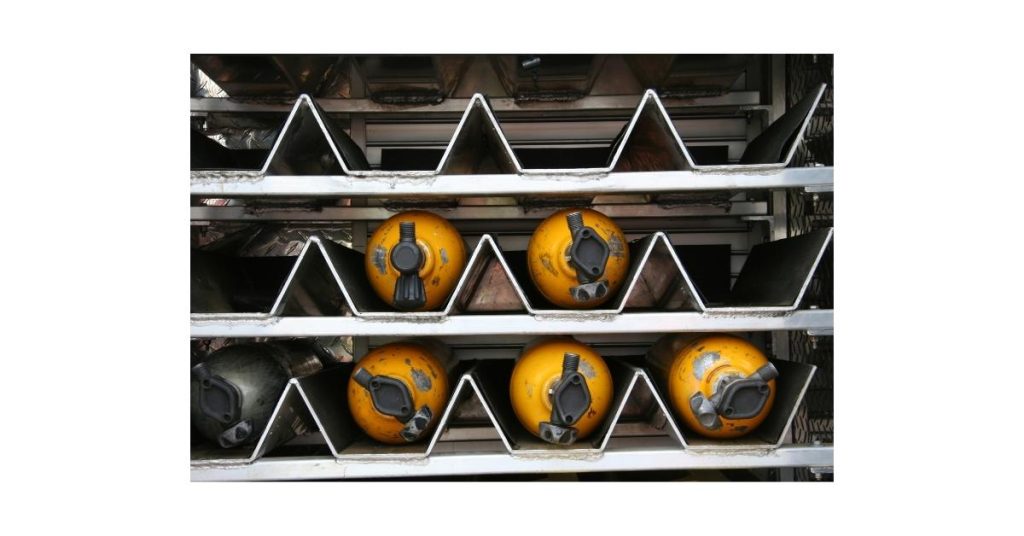
Proper weight distribution within the truck bed is equally important. Placing heavier items closer to the cab improves balance and reduces strain on the rear axle. Many modern truck beds include reinforced tie-down points and structural supports to help secure loads evenly. These features enhance safety and extend the lifespan of both the bed and the vehicle.
Protective Features and Bed Liners
Truck beds are exposed to constant abrasion, impact, and environmental stress. Protective features such as bed liners play a crucial role in preserving surface integrity. Spray-in liners create a seamless protective layer that resists scratches, moisture, and corrosion. Drop-in liners offer a removable solution that protects against dents and scuffs.
Additional protective elements include reinforced corners, tailgate guards, and anti-slip surfaces. These features prevent cargo from shifting and reduce wear during frequent loading. Investing in proper protection ensures that the truck bed remains functional and visually intact over years of use.
Accessibility and Ease of Use
Ease of access is a defining factor in truck bed usability. Tailgate design, step systems, and grab handles improve loading efficiency and reduce physical strain. Modern truck beds often include integrated steps or multi-position tailgates that adapt to different tasks, from loading heavy equipment to supporting work surfaces.
Lighting is another important feature. Built-in bed lighting enhances visibility during nighttime work or low-light conditions. These practical enhancements reflect how truck beds have evolved from simple cargo areas into highly functional workspaces designed around user convenience.
Truck Beds for Work and Commercial Use
For commercial applications, truck beds must withstand continuous heavy use while supporting specialized equipment. Construction crews rely on durable beds to transport tools and materials daily. Agricultural users require beds that handle bulk loads, uneven terrain, and exposure to harsh conditions.
Service and utility truck beds integrate storage compartments, ladder racks, and power access points, transforming trucks into mobile workstations. These configurations improve efficiency by keeping tools organized and accessible. Selecting the right truck bed for professional use directly impacts productivity and operational reliability.
Recreational and Lifestyle Applications
Truck beds are equally valuable for recreational and lifestyle activities. Outdoor enthusiasts use them to transport camping gear, bikes, motorcycles, and watercraft. The open design allows customization with racks, covers, and storage solutions tailored to specific hobbies.
For families and travelers, truck beds provide flexibility during road trips and relocations. Accessories such as tonneau covers protect luggage from weather while maintaining easy access. This versatility makes truck beds appealing beyond traditional work environments, supporting a wide range of personal uses.
Safety and Secure Cargo Management
Cargo security is a major concern when using truck beds. Unsecured loads can shift, fall, or create hazards for other drivers. High-quality truck beds feature multiple tie-down points strategically placed to secure cargo effectively. Some designs include adjustable rails or track systems for customizable load management.
Using appropriate straps, nets, and locks further enhances safety. In many regions, regulations require proper load restraint to prevent accidents. A well-designed truck bed simplifies compliance by providing strong anchor points and stable surfaces that reduce movement during transit.
Choosing the Right Truck Bed Configuration
Selecting the right truck bed involves evaluating intended use, load requirements, and vehicle compatibility. Work-focused users may prioritize durability and storage integration, while recreational users might value flexibility and accessory compatibility. Budget considerations should focus on long-term performance rather than upfront cost.
Understanding available options helps users avoid underperforming setups that limit capability. Exploring specialized resources that focus on truck bed designs and applications can provide clarity. Curated collections like Truck Beds offer insights into different configurations, helping users align their choice with real-world needs.
Long-Term Maintenance and Durability
Maintaining a truck bed is essential for preserving performance and appearance. Regular cleaning removes debris that can trap moisture and cause corrosion. Inspecting tie-down points, liners, and mounting hardware helps identify wear early.
Protective coatings and liners should be checked periodically to ensure continued coverage. For commercial users, routine maintenance prevents downtime and extends service life. A well-maintained truck bed retains its strength and reliability, supporting consistent performance over years of demanding use.
The Value of Investing in Quality Truck Beds
High-quality truck beds deliver long-term value through durability, safety, and adaptability. Cheaper alternatives may lack proper reinforcement or protective features, leading to premature wear or structural issues. Over time, these shortcomings can result in costly repairs or replacements.
Investing in a well-engineered truck bed enhances vehicle capability and resale value. Whether used for work or recreation, a dependable bed supports evolving needs and demanding tasks. Accessing trusted resources such as Truck Beds helps ensure that investment decisions are informed and aligned with long-term goals.
Making Truck Beds a Core Part of Vehicle Capability
Truck beds are more than just cargo areas; they are the foundation of a pickup truck’s utility. By choosing the right materials, configuration, and protective features, users unlock the full potential of their vehicle. Proper use and maintenance transform truck beds into reliable assets that support productivity and lifestyle flexibility.
With thoughtful selection and care, truck beds continue to perform under pressure, adapting to changing demands and environments. This combination of strength, versatility, and reliability is what makes truck beds an indispensable component of modern pickup trucks.