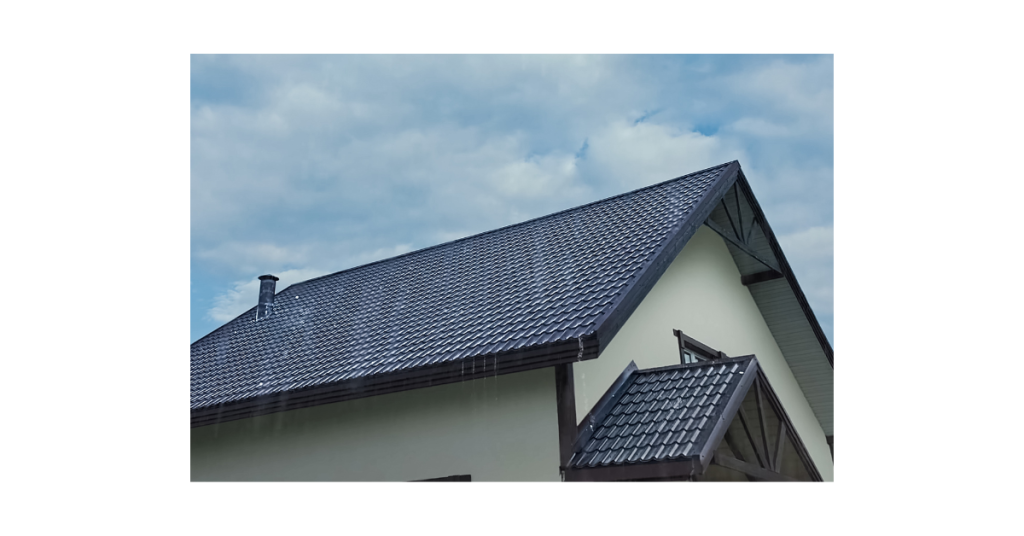
Comprehensive Roofing Service for Structural Longevity and Property Value Enhancement
Every building relies on a strong, well-constructed roof to maintain structural stability, protect occupants, and ensure long-term property value. A comprehensive roofing service provides homeowners, facility managers, and commercial developers with specialized expertise that integrates modern building science, high-performance materials, and carefully engineered installation methods. The keyword roofing service appears early in this discussion because it remains central to understanding the importance of roof construction, maintenance, and repair. A high-quality roofing service prevents internal water damage, improves insulation performance, resists wind uplift, and supports compliance with relevant fire and building codes that govern safe construction practices.
How Roofing Protects and Enhances the Built Environment
Roofing contributes significantly to how structures perform and endure environmental stress. The roof acts as the primary barrier between a building and external climate conditions such as rain, snow, wind, hail, and UV radiation. When the roof is properly designed, installed, and maintained, it prevents moisture infiltration that can damage framing, drywall, flooring, and electrical systems. Beyond moisture control, roofing reduces heat gain during summer months and helps retain heat during winter, lowering energy consumption while stabilizing indoor temperatures. A reliable roofing service optimizes these functions through material selection, insulation upgrades, improved ventilation, and weather-resistant installation techniques.
Key Factors That Influence Roof Performance Over Time
Multiple variables influence roof performance throughout its operational lifespan. These include material composition, slope and geometry, load-bearing capacity, thermal resistance, underlayment quality, and flashing integrity. Roofing materials vary widely in durability and maintenance requirements. Asphalt shingles, metal roofing systems, concrete tiles, synthetic composite products, and commercial membranes all offer different performance characteristics. The slope or pitch determines how quickly water drains from the roof surface. Underlayment materials and flashing prevent water intrusion at vulnerable points such as chimneys, skylights, eaves, and ventilation openings. A skilled roofing service provider evaluates each of these elements before recommending or installing a roofing system.
Material Science and Climate Adaptation in Roofing
Modern roofing incorporates material science to enhance durability and adapt to specific climate conditions. Metal roofing resists snow accumulation, high winds, and dramatic temperature fluctuations. Asphalt shingles offer cost-effective protection in regions with moderate weather patterns. Concrete and clay tiles perform well in coastal and hot environments due to their thermal mass and resistance to salt corrosion. Synthetic shingles replicate natural textures while providing added impact strength. Material selection must reflect climate conditions, architectural style, and maintenance expectations. A roofing service professional helps clients choose the optimal solution based on building type, geography, and budget considerations.
Structural Support and Substrate Preparedness
The visible roofing surface represents only one part of the entire system. Beneath it lies substrate or decking materials composed of plywood, oriented strand board, or structural planking. Before replacing or installing a new roof, professionals inspect the substrate for water damage, dry rot, and structural instability. Weak or compromised decking must be repaired or replaced to guarantee a strong foundation for the roof assembly. Without proper substrate preparation, even premium roofing materials will fail prematurely. A thorough roofing service incorporates substrate reinforcement, secure fastening methods, and proper alignment to create a dependable and long-lasting roofing system.
Residential Roofing Service for Homeowners
Residential roofing projects require careful consideration of aesthetics, building codes, energy efficiency, and budget constraints. Homeowners often select asphalt shingles for cost efficiency, although metal, composite, and tile systems offer superior longevity and environmental benefits. A residential roofing service begins with an initial inspection to assess roof condition, attic ventilation, insulation levels, and structural components. Technicians remove deteriorated shingles or membrane material, repair damaged decking, install underlayment and flashing, and install the new roofing material. The quality of installation affects lifespan, leak prevention, storm resilience, and energy performance for decades. Homeowners benefit from warranties that cover both material defects and workmanship quality.
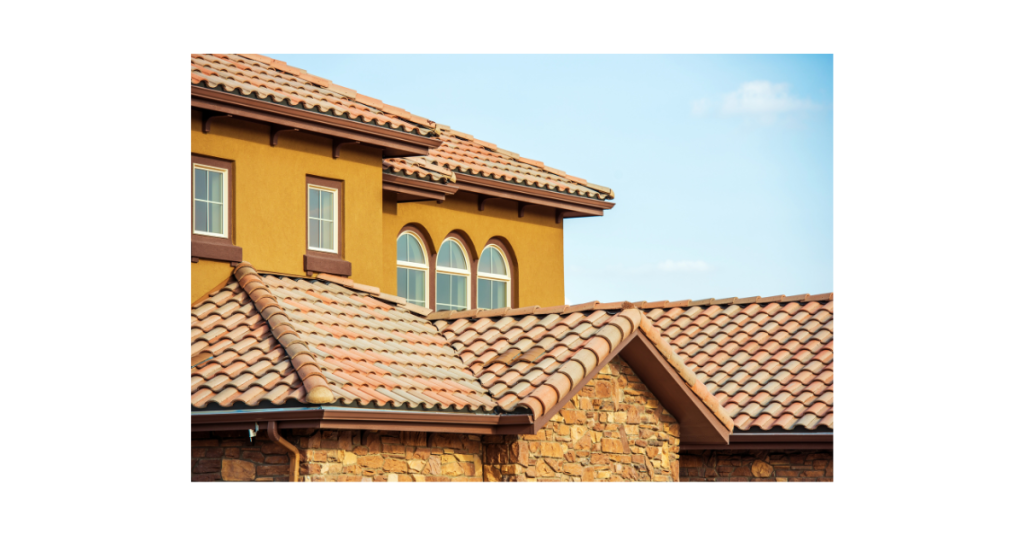
Residential Roofing Challenges and Preventive Maintenance
Residential roofs face numerous challenges including storm damage, thermal expansion, biological growth, and improper drainage. Wind uplift can break shingle seals or tear off ridge caps. Heavy rain can overwhelm gutters, leading to fascia damage and roof edge decay. Moss and algae growth retain moisture on shingles, gradually eroding surface granules. Homeowners can mitigate these issues by scheduling annual roof inspections, especially after severe weather events. Preventive maintenance involves cleaning gutters, trimming trees, removing debris, replacing cracked shingles, resealing flashing, and verifying attic airflow. A professional roofing service offers tailored maintenance programs that reduce long-term repair costs.
Commercial Roofing Service for Large Facilities
Commercial roofing differs from residential roofing due to structural complexity, larger surface areas, and flat or low-slope designs. Commercial roofs must support HVAC equipment, piping systems, drainage mechanisms, and periodic foot traffic for maintenance personnel. Roofing materials such as EPDM rubber membranes, PVC thermoplastic systems, TPO membranes, and built-up roofing provide waterproofing and UV resistance in commercial environments. A commercial roofing service considers fire resistance ratings, wind uplift requirements, energy performance standards, and drainage layout. Facility managers depend on well-maintained roofs to prevent operational disruptions, inventory damage, and safety hazards that could negatively impact business continuity.
Energy Efficiency and Sustainability in Commercial Roofing
Modern commercial roofing solutions incorporate sustainability features that reduce energy consumption and environmental impact. Cool roofs utilize reflective coatings to limit heat absorption, reducing air conditioning loads during hot seasons. Green roofs incorporate vegetation layers that provide insulation, reduce stormwater runoff, and create natural habitats in urban environments. Some facilities integrate solar panel systems directly into roofing structures to harness renewable energy. A forward-looking roofing service evaluates long-term returns on investment, compliance with environmental standards, and opportunities for sustainable design. These innovations help commercial properties reduce utility bills, improve environmental responsibility, and attract sustainability-focused tenants.
Roofing Service Workflow from Inspection to Completion
A well-structured roofing project follows a systematic workflow that ensures accuracy, safety, and transparency. The process begins with a detailed inspection where professionals examine roof condition, moisture levels, structural components, and ventilation. Based on findings, they provide a clear written proposal outlining cost, materials, scope of work, and scheduling details. During the installation phase, workers remove old material, dispose of debris responsibly, and prepare the substrate for new installation. They then add underlayment, insulation if needed, flashing, shingles or membrane materials, ridge caps, and ventilation systems. A final inspection confirms proper installation and code compliance. A seasoned roofing service prioritizes communication with property owners throughout each phase.
Safety Compliance and Risk Management
Roofing work presents inherent risks due to height, equipment handling, weather exposure, and material weight. Professional roofing crews apply strict safety protocols such as harness systems, guardrails, debris management, non-slip footwear, and weather monitoring practices. In commercial settings, projects may require additional scaffolding, certified safety personnel, and compliance with industrial safety regulations. Building codes and fire safety standards dictate acceptable materials and installation practices. Insurance coverage protects clients from liability during the construction process. A certified roofing service ensures all processes meet legal, insurance, and safety obligations, reducing risk for both clients and workers.
Budgeting and Financial Considerations for Roofing Projects
The financial aspects of roofing projects depend on multiple variables including roof size, slope, material selection, removal requirements, labor rates, and local climate conditions. While cost is an important factor, property owners should also weigh long-term value, performance warranties, and expected lifespan. Cheaper materials often result in more frequent replacements and emergency repairs. In contrast, premium materials such as metal, tile, or high-grade commercial membranes provide longevity and reduced maintenance needs. A transparent roofing service provides itemized cost proposals that allow property owners to evaluate options without pressure. Lifetime cost analysis often favors high-quality installations due to reduced repair frequency and improved energy efficiency.
Expected Lifespan of Popular Roofing Materials
Below is a general overview of common roofing material lifespans under proper installation and maintenance:
- Standard asphalt shingles: 15 to 25 years
- Architectural asphalt shingles: 25 to 35 years
- Metal roofing systems: 40 to 70 years
- Concrete or clay tiles: 50 to 100 years
- Polymer composite shingles: 30 to 50 years
- EPDM commercial membrane: 20 to 30 years
- PVC or TPO commercial membrane: 20 to 35 years
Longevity varies depending on climate, installation quality, ventilation performance, and maintenance. Choosing an experienced roofing service increases the likelihood that materials will reach or exceed their expected lifespan range.
Choosing the Right Roofing Partner for the Job
Finding a trustworthy roofing provider requires evaluating experience, certifications, material access, safety credentials, communication skills, and warranty offerings. Clients should request references, review completed project portfolios, and verify insurance documentation. Quality providers offer clear bids without hidden fees and respect scheduling commitments. They also educate clients about product options rather than pushing unnecessary upgrades. Partnering with a reputable Roofing service ensures clients receive durable craftsmanship, reliable customer support, and long-lasting structural protection tailored to both residential and commercial needs.
Routine Roofing Maintenance for Long-Term Performance
Even a well-installed roof requires periodic care to prevent decay and structural damage. Maintenance tasks include removing debris, checking gutter flow, tightening fasteners, inspecting flashing, clearing downspouts, and monitoring attic conditions for moisture buildup. Seasonal inspections after storms help identify leaks, punctures, and material displacement before these issues spread. Many property owners sign up for annual maintenance plans to ensure consistent performance and predictable upkeep costs. Professional maintenance conducted by a qualified Roofing service extends roof lifespan, prevents emergency repairs, and maintains the structural integrity of both residential and commercial properties.
The Long-Term Benefits of Superior Roofing Service
Roofing represents one of the most valuable components of a building’s protective envelope. When executed properly by trained professionals, it promotes energy efficiency, moisture control, occupant safety, fire resistance, and structural stability. Quality roofing installation improves curb appeal and property valuation in real estate markets. Buyers and tenants often prioritize roof condition when evaluating properties because a well-maintained roof indicates responsible ownership and reduced near-term maintenance liabilities. By investing in reliable roofing materials, expert installation, and consistent maintenance, property owners gain decades of protection, comfort, and financial efficiency. Exceptional roofing service transforms a functional necessity into a long-term asset that supports the economic and environmental goals of both homeowners and businesses.