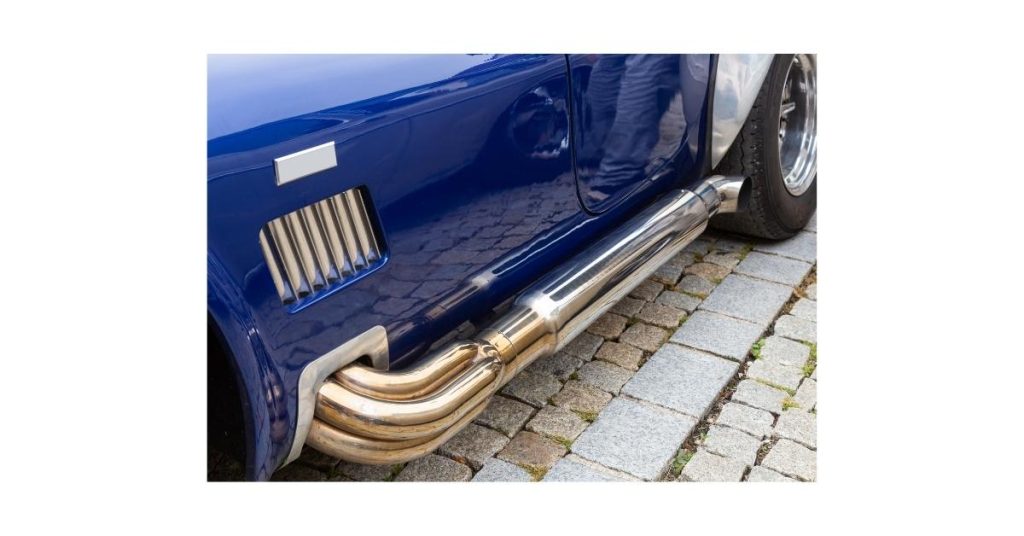
Exhaust Tips and Their Role in Modern Vehicles
Exhaust Tips are often seen as purely cosmetic additions, but their role in a vehicle’s exhaust system extends beyond appearance alone. Positioned at the very end of the exhaust system, exhaust tips serve as the final outlet for exhaust gases while also influencing sound direction, heat dispersion, and visual identity. For many drivers, exhaust tips are the most visible part of the exhaust, making them a popular customization choice.
Understanding exhaust tips helps vehicle owners make informed decisions when upgrading or replacing them. While they do not dramatically alter engine performance, the right exhaust tips can enhance durability, protect surrounding components, and contribute to a refined or sporty look. Their design, material, and placement all matter more than many people realize.
What Exhaust Tips Actually Do
The primary function of exhaust tips is to guide exhaust gases safely away from the vehicle’s body. By extending the exhaust outlet beyond the bumper, tips help prevent heat damage and soot buildup on paint and trim. This is especially important for vehicles with rear bumpers made from plastic or composite materials.
Exhaust tips also influence how exhaust sound is projected. The shape and length of a tip can slightly alter sound resonance and direction, affecting how loud or deep the exhaust note appears to bystanders. While the effect is subtle compared to mufflers or resonators, it contributes to the overall acoustic character of the vehicle.
Single Wall vs Dual Wall Exhaust Tips
Single wall exhaust tips are made from one layer of metal and are typically lighter and more affordable. They are common on factory-installed exhaust systems and basic aftermarket setups. While functional, single wall tips can show discoloration more quickly due to heat exposure.
Dual wall exhaust tips feature an inner and outer layer, creating a thicker appearance and better heat insulation. This design helps maintain a clean outer finish while hiding heat stains on the inner wall. Dual wall tips are often chosen for premium or performance-oriented vehicles because they offer a more refined and durable look over time.
Exhaust Tip Shapes and Their Visual Impact
Exhaust tips come in various shapes, each offering a distinct visual style. Round tips are the most common and versatile, fitting a wide range of vehicles. They provide a classic, balanced appearance that works well with both subtle and aggressive designs.
Oval and rectangular exhaust tips are often used on luxury or performance models to create a wider, more integrated look with the rear bumper. Slant-cut tips add a sporty touch by following the angle of the bumper, while straight-cut tips emphasize symmetry and simplicity. Shape selection plays a major role in how the rear of a vehicle is perceived.
Materials Used in Exhaust Tips
Material choice significantly affects the durability and appearance of exhaust tips. Stainless steel is the most popular option due to its resistance to corrosion and heat discoloration. Polished stainless steel tips maintain their shine longer and are easy to clean.
Chrome-plated exhaust tips offer a bright, reflective finish but may peel or discolor over time if the plating quality is poor. Titanium tips are lightweight and often display unique heat-induced color patterns, making them popular in high-performance applications. Each material balances cost, longevity, and visual appeal differently.
Exhaust Tip Size and Fitment Considerations
Choosing the correct exhaust tip size is essential for proper fitment and appearance. Tip diameter should match the exhaust pipe outlet to ensure a secure connection. Oversized tips can look aggressive but may appear disproportionate if not matched carefully to the vehicle’s rear design.
Length also matters. Short tips may sit too far under the bumper, reducing their protective function, while excessively long tips can protrude awkwardly. Proper fitment ensures exhaust gases exit cleanly and the tip complements the vehicle’s proportions rather than overpowering them.
Weld-On vs Clamp-On Exhaust Tips
Exhaust tips are typically installed using either welding or clamping methods. Weld-on tips provide a permanent, secure attachment and are preferred for long-term installations. They eliminate the risk of movement or rattling and offer a cleaner appearance.
Clamp-on exhaust tips are easier to install and remove, making them ideal for temporary customization or testing different styles. While convenient, clamp-on tips require periodic inspection to ensure they remain tight. Both methods are effective when installed correctly, but the choice depends on permanence and installation preference.
Do Exhaust Tips Affect Performance
From a performance standpoint, exhaust tips have minimal impact. Because they are located after all major exhaust components, they do not significantly influence backpressure or airflow. Any perceived performance change is usually related to sound rather than actual engine output.
However, poorly designed or restrictive tips could theoretically disrupt exhaust gas exit, especially on high-performance vehicles. This is rare with reputable designs, but it highlights the importance of choosing quality exhaust tips that match the exhaust system’s diameter and flow characteristics.
Exhaust Tips and Sound Characteristics
Although mufflers and resonators primarily control exhaust sound, tips can slightly shape the final tone. Larger diameter tips may produce a deeper sound, while angled or rolled-edge tips can soften exhaust noise projection.
Sound differences are subtle and often subjective. Drivers seeking major sound changes should focus on upstream components, but exhaust tips still contribute to the overall acoustic experience. They refine how sound exits the system, particularly at idle and low speeds.
Maintenance and Cleaning of Exhaust Tips
Exhaust tips are constantly exposed to heat, moisture, and road debris. Regular cleaning helps maintain their appearance and prevents corrosion. Stainless steel tips can be cleaned with mild soap and metal polish, while chrome tips require gentle care to avoid scratching the finish.
Neglecting maintenance can lead to discoloration, rust spots, and buildup that detracts from the vehicle’s appearance. Consistent care ensures exhaust tips remain visually appealing and functional over time, especially in harsh driving environments.

Customization and Personal Style
For many vehicle owners, exhaust tips are an easy way to personalize a car without extensive modification. They offer visual customization without affecting emissions or engine tuning. This makes them popular among drivers who want subtle enhancements rather than major mechanical changes.
From understated factory-style tips to bold performance designs, the variety available allows customization to match individual taste. Detailed guides on Exhaust Tips help drivers explore styles, materials, and fitment options before making a decision.
Compatibility with Vehicle Design
Exhaust tips should complement the vehicle’s overall design language. A luxury sedan benefits from clean, polished tips that blend seamlessly, while a performance coupe may suit larger or more aggressive designs. Matching tip style to bumper cutouts and diffuser elements creates a cohesive look.
Poorly matched exhaust tips can detract from an otherwise well-designed vehicle. Taking time to consider compatibility ensures the upgrade enhances rather than disrupts the vehicle’s visual balance.
Exhaust Tips and Heat Management
While not a primary heat-control component, exhaust tips help direct hot gases away from sensitive areas. Properly positioned tips reduce the risk of heat damage to bumpers, underbody panels, and surrounding trim.
In vehicles with tight rear packaging, this function becomes more important. High-quality tips made from heat-resistant materials provide added protection and durability in high-temperature conditions.
Aftermarket Exhaust Tips vs Factory Tips
Factory exhaust tips are designed for durability and compliance, often prioritizing subtlety. Aftermarket options offer greater variety in style and finish, allowing more expressive customization. However, quality varies widely among aftermarket products.
Choosing reputable designs ensures proper fitment and longevity. Comparing factory and aftermarket options through reliable resources like Exhaust Tips helps buyers avoid poor-quality products that may corrode or loosen prematurely.
Long-Term Value of Quality Exhaust Tips
While exhaust tips are a small component, quality choices contribute to long-term satisfaction. Durable materials, proper fitment, and thoughtful design ensure they remain attractive and functional for years. Cheap alternatives may save money upfront but often require replacement sooner.
In the broader context of vehicle ownership, exhaust tips represent a balance between function and style. Understanding their role allows drivers to enhance appearance responsibly while maintaining safety and reliability.