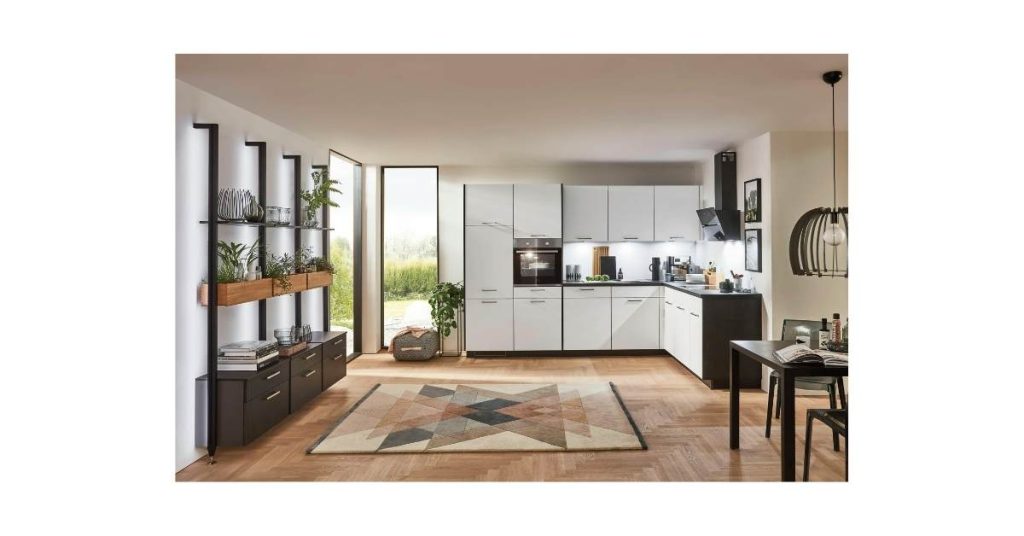
Kitchen Cabinets: What Paint Finish Works Best for Long-Lasting Results
Kitchen cabinets are one of the most visually dominant and frequently used elements in any kitchen. While color selection often gets the spotlight, the paint finish applied to kitchen cabinets is just as important. The finish determines how well cabinets resist stains, moisture, scratches, and daily wear. A poor finish choice can make even the best cabinets look worn within a short time, while the right finish preserves appearance and performance for years.
Kitchens are demanding environments. Steam, grease, fingerprints, and frequent cleaning all put stress on cabinet surfaces. That is why paint finish selection should be based on function first, then appearance. Understanding how different finishes behave under kitchen conditions helps homeowners avoid common mistakes and achieve long-term satisfaction.
Why Paint Finish Matters for Kitchen Cabinets
Kitchen cabinets are touched constantly throughout the day. Every time a door is opened or a drawer is pulled, oils from hands transfer onto the surface. A suitable paint finish resists staining and allows easy cleaning without damage.
Moisture exposure is another major concern. Cooking produces steam that settles on cabinet surfaces, especially those near stoves and sinks. Finishes with poor moisture resistance can soften, peel, or discolor over time.
Durability also depends heavily on finish type. Some finishes hide imperfections well but scratch easily, while others highlight flaws but offer superior protection. Choosing wisely ensures cabinets remain both attractive and functional.
Common Paint Finish Types Used on Kitchen Cabinets
Paint finishes range from very flat to highly glossy. Each type has unique properties that affect how cabinets look and perform. Understanding these differences is essential before making a final decision.
Matte and flat finishes offer a soft, modern look but provide minimal protection. They tend to absorb stains and are difficult to clean, making them less practical for kitchens. Satin and eggshell finishes strike a balance between appearance and durability, offering moderate sheen and easier maintenance.
Semi-gloss and gloss finishes provide the highest level of protection. Their smooth surfaces repel moisture and grease effectively, though they reflect light and highlight surface imperfections more clearly.
Durability Considerations in High-Use Kitchens
Kitchen cabinets experience more wear than most painted surfaces in a home. High-traffic kitchens require finishes that can handle frequent cleaning without dulling or chipping.
Higher-sheen finishes generally perform better under constant use. They create a harder surface once cured, which helps protect the underlying cabinet material. This makes them ideal for families or kitchens used daily.
However, durability should not be considered in isolation. Surface preparation and paint quality also play significant roles in how long a finish lasts.
Cleaning and Maintenance Based on Paint Finish
Ease of cleaning is one of the most important factors in choosing a paint finish for kitchen cabinets. Grease splatters and food residue are unavoidable, so finishes must tolerate regular wiping.
Lower-sheen finishes often require gentle cleaning to avoid marks or damage. This can be inconvenient in busy kitchens. Higher-sheen finishes allow more aggressive cleaning without compromising appearance.
Over time, easy-to-clean finishes save effort and reduce the need for repainting. This makes them a practical choice for long-term maintenance.
How Paint Finish Affects Kitchen Lighting and Space
Paint finish influences how light behaves in the kitchen. Glossy finishes reflect light, making small or dark kitchens appear brighter and more spacious. This can be beneficial in kitchens with limited natural light.
Matte finishes absorb light, creating a softer and more subdued atmosphere. While this can look elegant, it may make small kitchens feel closed in.
Balancing lighting conditions with finish selection helps achieve both visual comfort and functionality.
Imperfection Visibility and Surface Preparation
One trade-off with higher-sheen finishes is their tendency to highlight surface imperfections. Dents, brush marks, or uneven sanding become more noticeable under reflective finishes.
This makes surface preparation critical. Cabinets must be properly cleaned, sanded, and primed before painting. Skipping preparation often leads to disappointing results, regardless of finish quality.
For older cabinets with visible wear, mid-sheen finishes can help balance durability and flaw concealment.
Moisture Resistance and Long-Term Performance
Moisture resistance is a defining factor for kitchen cabinet paint finishes. Finishes that resist water penetration protect the cabinet material underneath from swelling and damage.
Areas near sinks and dishwashers benefit especially from moisture-resistant finishes. Over time, this protection helps maintain structural integrity and appearance.
Ignoring moisture considerations often leads to peeling paint and costly repairs, making finish choice a critical preventative measure.
Matching Paint Finish With Cabinet Material
The underlying cabinet material influences how paint finishes perform. Smooth engineered surfaces accept paint evenly, while natural wood grain may telegraph through certain finishes.
Some finishes adhere better to specific materials, improving durability. Understanding compatibility prevents issues like poor adhesion or uneven sheen.
Finish choice should always be evaluated in context with cabinet construction, not in isolation.
Choosing the Best Paint Finish for Kitchen Cabinets
Determining the most suitable paint finish requires weighing durability, maintenance, appearance, and kitchen usage patterns. A detailed comparison of finishes and their real-world performance is available in this expert resource on Kitchen Cabinets, which explains why certain finishes consistently outperform others in kitchen environments.
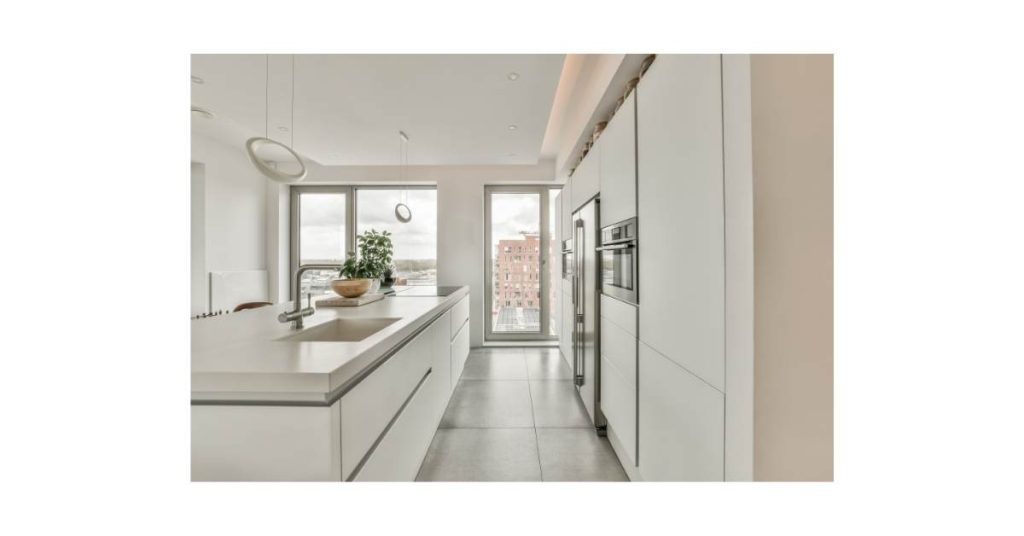
Such guides help homeowners move beyond personal preference and make decisions based on performance data and practical experience. This approach minimizes regret after installation.
Access to expert-backed insights ensures that finish selection supports both daily use and long-term value.
Professional vs DIY Finish Application
Application method also affects how well a paint finish performs. Professional spraying often results in smoother, more durable finishes compared to brushing or rolling.
DIY projects can succeed with proper tools and patience, but mistakes in application are more visible on higher-sheen finishes. Understanding the difficulty level helps set realistic expectations.
Choosing the right finish includes considering who will apply it and under what conditions.
Long-Term Value of the Right Paint Finish
A well-chosen paint finish extends the life of kitchen cabinets and reduces maintenance costs. Cabinets that resist stains and damage require fewer touch-ups and repainting over time.
This longevity contributes to overall home value. Kitchens are a major selling point, and well-maintained cabinets create a strong impression.
Investing in the right finish upfront often saves money and effort in the long run.
Making a Confident Paint Finish Decision
Selecting the best paint finish for kitchen cabinets is a balance of practicality and design. Durability, ease of cleaning, moisture resistance, and visual impact must align with how the kitchen is actually used.
An in-depth reference like this practical guide on Kitchen Cabinets provides clear explanations of finish behavior under real kitchen conditions. It helps homeowners avoid choices that look good initially but fail over time.
When paint finish decisions are guided by performance and context, kitchen cabinets remain attractive, functional, and protected for many years, making them a true long-term investment.